Warning and Precautions
GENERAL SAFETY. Improper use of this product may result in personal injury or damage to the equipment.
Use this product only as described in this manual.
Ensure all users are trained in laboratory safety practices and have reviewed the safety information in this manual.
Before operating the Cellmatic system, read and understand the safety instructions provided by its manufacturer.
Important
Use only labware authorized and qualified by Formulatrix for this instrument.
Always observe proper aseptic technique before accessing the system.
Always collect and dispose of waste according to institutional biosafety procedures and applicable regulations. Decontaminate work surfaces, tools, and equipment with an approved disinfectant immediately after use.
The following safety recommendations are basic guidelines.
Safety Symbols
 Warning! To reduce the risk of fire, replace the fuse with the same size and type.
 Warning! Read the manual before operating this unit. No user serviceable parts. Only authorized personnel permitted to service this unit.
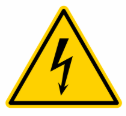 Danger! High Voltage. Risk of electric shock. Disconnect all power sources before servicing. Do not open the enclosure or remove protective panels unless specifically instructed in this manual. Failure to follow these instructions may result in serious injury or death.
Caution! Risk of Electrical Shock. This unit is powered by two power supply cords. Disconnect both sources before servicing.
 Warning! UV Light. Do not look directly at light.
Warning! Do not open windows while system is running.
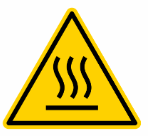 Caution! Hot surface. Do not touch.
 Danger! Moving parts can crush and cut. Keep hands clear.
Warning! Do not open doors while system is running.
Caution! System to be serviced by qualified personnel only. Improper service methods may cause personal injury.
warning! Personal Protective Equipment (PPE) Required. Always wear the recommended PPE, including lab coat, gloves, and safety glasses, before performing any maintenance or service on the system.
Warning! Biohazard Risk. Always observe proper aseptic technique before accessing the system to prevent cross-contamination. Failure to do so will lead to inaccurate results or potential exposure to biological hazards.
Warning! Biohazard Waste. Always collect and dispose of waste according to institutional biosafety procedures and applicable regulations. Improper handling or disposal of waste may result in exposure to biological hazards. Decontaminate work surfaces, tools, and equipment with an approved disinfectant immediately after use.
- Warning! Moving Parts.
After pressing the Pause/Resume button, wait until the system has fully paused before loading or unloading consumables.
Do not open windows or doors while the system is operating.
Ensure all windows and doors are securely locked after loading or unloading consumables.
Personal Protective Equipment (PPE)
Personal Protective Equipment (PPE) refers to clothing and gear worn to protect the body from hazards and minimize contamination risk during aseptic assembly. Some common types of PPE used during aseptic assembly include:
Gloves: Uses nitrile gloves to protect your hands from hazardous materials during assembly.
Face mask: Puts on a mask to prevent inhalation of any hazardous materials and system contamination.
Lab gown: Wears a gown to shield your clothing from hazardous materials and microorganisms.
Head covering: Uses a hat or hood to protect your hair and head from hazardous materials and microorganisms.
Safety glasses: Uses safety glasses to shield your eyes from hazardous materials and flying debris.
Using appropriate PPE can prevent potential dangers during aseptic assembly and minimize the risk of contamination or injury.
Aseptic Assembly
Aseptic assembly minimizes microbial contamination risk during product assembly. To prepare for aseptic assembly, follow these guidelines:
Gather required tools and materials: Before starting assembly, ensure you have all needed items and sterilize them .
Use only sterile or disinfected tools and materials: Reduce contamination risk by using only sterilized or disinfected items during assembly.
Prepare a clean, sterile work area: Clean and disinfect the work area and equipment, as well as wear protective gear such as gloves, masks, and gowns.
Follow proper hand hygiene protocols: Wash your hands thoroughly with soap and water, or use an alcohol-based hand sanitizer.
Following these guidelines ensure the assembly process minimizes the contamination risk and meets relevant aseptic requirements.